
Blog
The Hidden Psychology Behind Cozy Lighting Setups

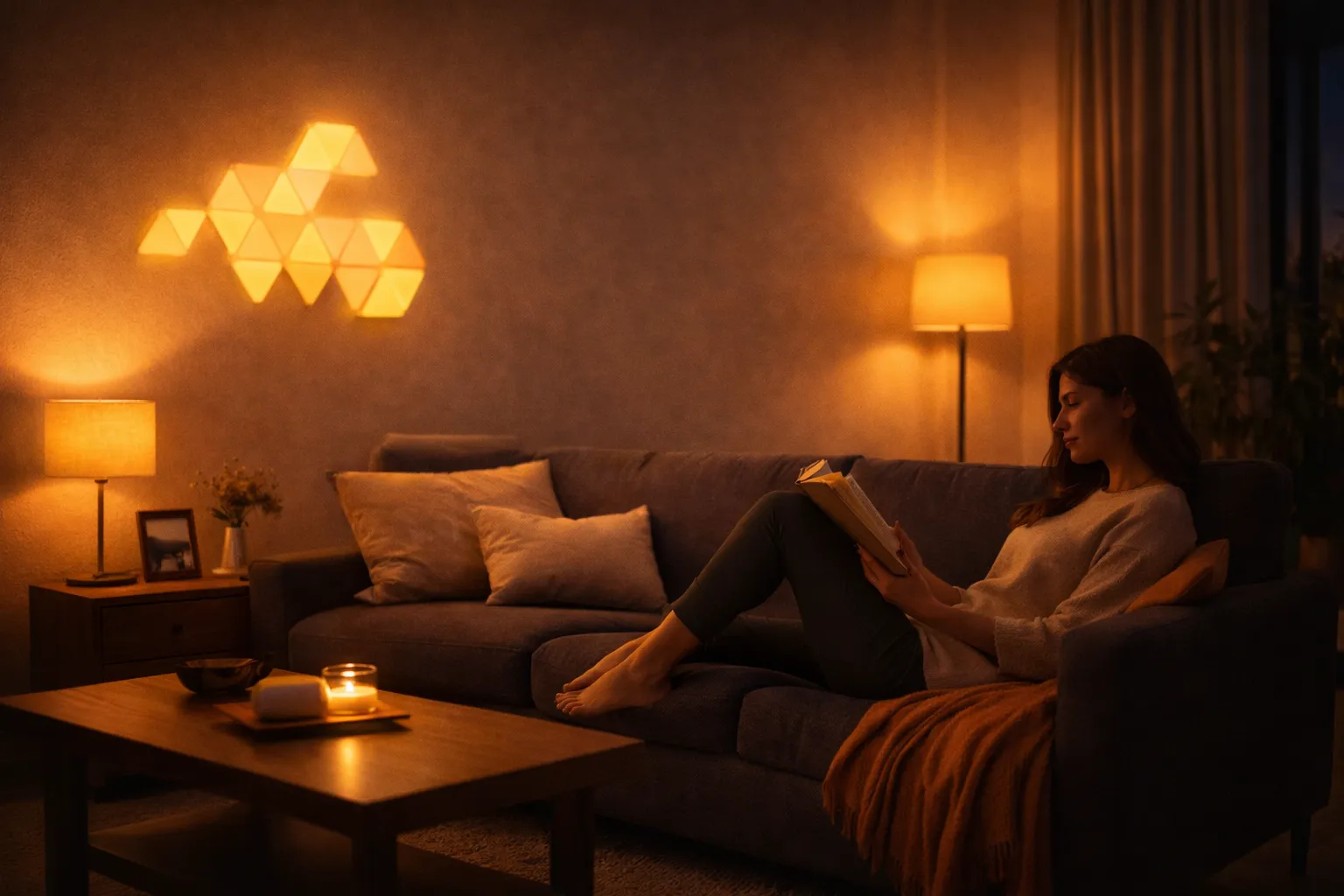
People do not search for cozy lighting because they want a bulb. They search because they want a feeling. They want warmth after work, comfort at night, and a room that feels softer, calmer, and more personal. That is what makes cozy lighting such a powerful retail topic. It looks like a style trend on the surface, but underneath it reflects a real emotional need.
As lighting becomes more lifestyle-driven, this topic matters more than ever. The global lighting market was valued at $142.49 billion in 2025, showing that consumers are investing not only in brightness and energy savings, but also in mood, personalization, and better home experiences. In other words, people are no longer buying light only to see better. They are buying light to feel better.
For retailers, this is where the opportunity begins. A shopper searching for cozy lighting is often emotionally ready to buy, but they are not always looking for the cheapest product or the highest lumen count. They are looking for a room that feels more relaxing, more intimate, and more restorative. That makes this keyword highly valuable for both SEO and conversion.
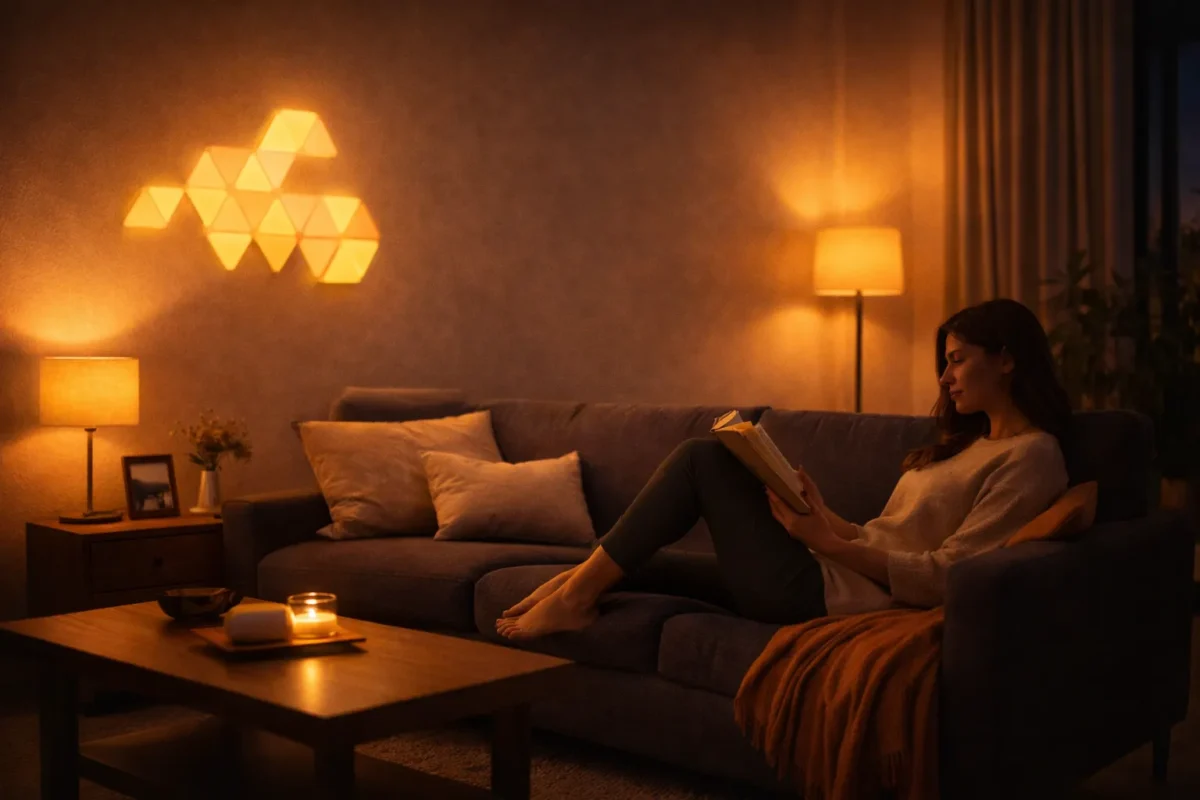
Search intent behind “cozy lighting” setups
The search intent behind this topic is informational with strong commercial investigation value. The user usually wants to understand why cozy lighting feels emotionally different, how to recreate that feeling in a real room, and which products can help achieve it.
Most people searching this phrase are not looking for technical lighting theory. They are trying to solve one of several personal frustrations. Their room feels too harsh at night. Their overhead light makes the space feel cold. Their current LEDs look colorful but not comforting. Or they have seen warm, beautiful interiors online and want to understand why those spaces feel so much more inviting.
That is why this topic performs so well in modern search. It connects emotional language with practical buying behavior. It also works well for generative engine optimization because it matches how people naturally ask questions in AI search tools: why does warm lighting feel better, how do I make my bedroom feel cozy, or what lighting makes a room feel more relaxing.
Why cozy lighting feels emotionally different
The first reason cozy lighting feels better is that it reduces visual tension. Harsh overhead light tends to flatten surfaces, erase intimacy, and make a room feel more exposed. Soft, lower, warmer lighting reduces that sense of exposure. The room feels less like a task zone and more like a refuge.
The second reason is that cozy lighting creates hierarchy. Instead of lighting everything equally, it guides the eye gently. A bedside lamp, a soft wall glow, or a warm shelf light creates a focal point and gives the room emotional structure. This is one reason layered lighting feels more premium and more comforting than a single bright ceiling fixture.
The third reason is biological. Warm, lower-intensity lighting is often associated with rest and evening comfort, while cooler blue-heavy light is more strongly associated with alertness and stimulation. That difference affects how the room feels in everyday life, especially at night.
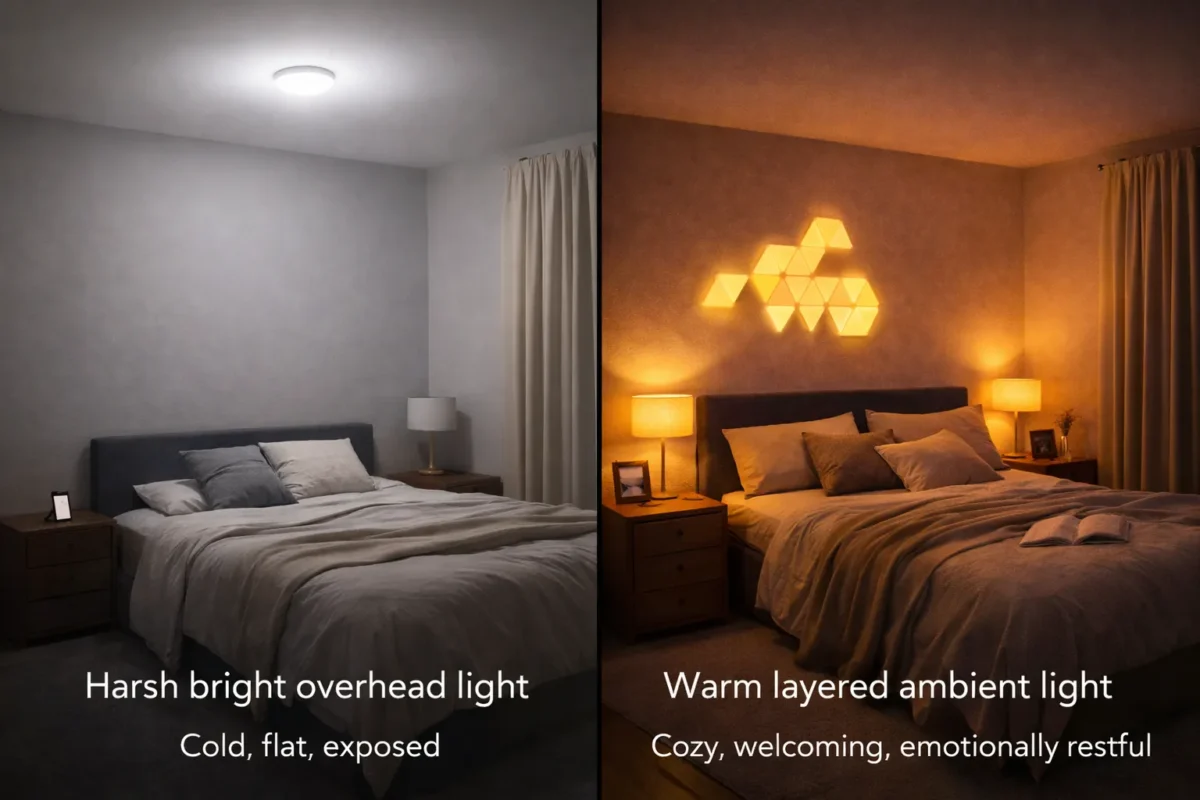
The hidden psychological triggers behind cozy lighting
One trigger is perceived safety. A softly lit room feels more contained and controlled. Instead of exposing every corner equally, cozy lighting creates protected zones. That makes the space feel calmer and more emotionally secure.
Another trigger is softness of contrast. Cozy lighting does not remove contrast completely. It manages it. A room with selective glow and gentle shadows often feels quieter and more comfortable than a room flooded with flat brightness.
A third trigger is association. Warm light reminds people of home, candles, bedside reading, evening quiet, and hospitality. People do not experience warm light as neutral. They connect it to memory, ritual, and emotional comfort.
A fourth trigger is control. When users can switch from work mode to evening mode, or from bright white light to warm amber light, the room feels more responsive to real life. In retail terms, this means lighting control is not just a tech feature. It is part of the emotional promise.
Why warm light alone is not enough
Many buyers assume that using a warm bulb automatically creates a cozy room. In reality, cozy lighting is a system, not a color.
If the room still has one harsh overhead light dominating the space, a warm tone alone will not fix the mood. If the light source is badly placed, too exposed, or too bright, the room may still feel uncomfortable. If the space has no focal point, no texture, and no layered lighting, the setup may still feel flat.
Cozy rooms usually work because they combine warm tone with lower intensity, indirect placement, and multiple layers of light. That is why some rooms feel inviting immediately, while others still look cold even after changing the bulb.
What customers are really buying
From a retail perspective, people are not only buying fixtures. They are buying emotional outcomes.
They want a bedroom that helps them wind down. They want a living room that feels more welcoming. They want a corner that feels personal, intimate, and less stressful at night. This is why cozy lighting content converts well. It answers a real emotional problem while naturally opening the door to product solutions.
A shopper rarely thinks, “I need a warmer lamp.” They think, “I want my room to stop feeling cold.” That difference is everything. It changes how brands should write product pages, blogs, and landing pages.
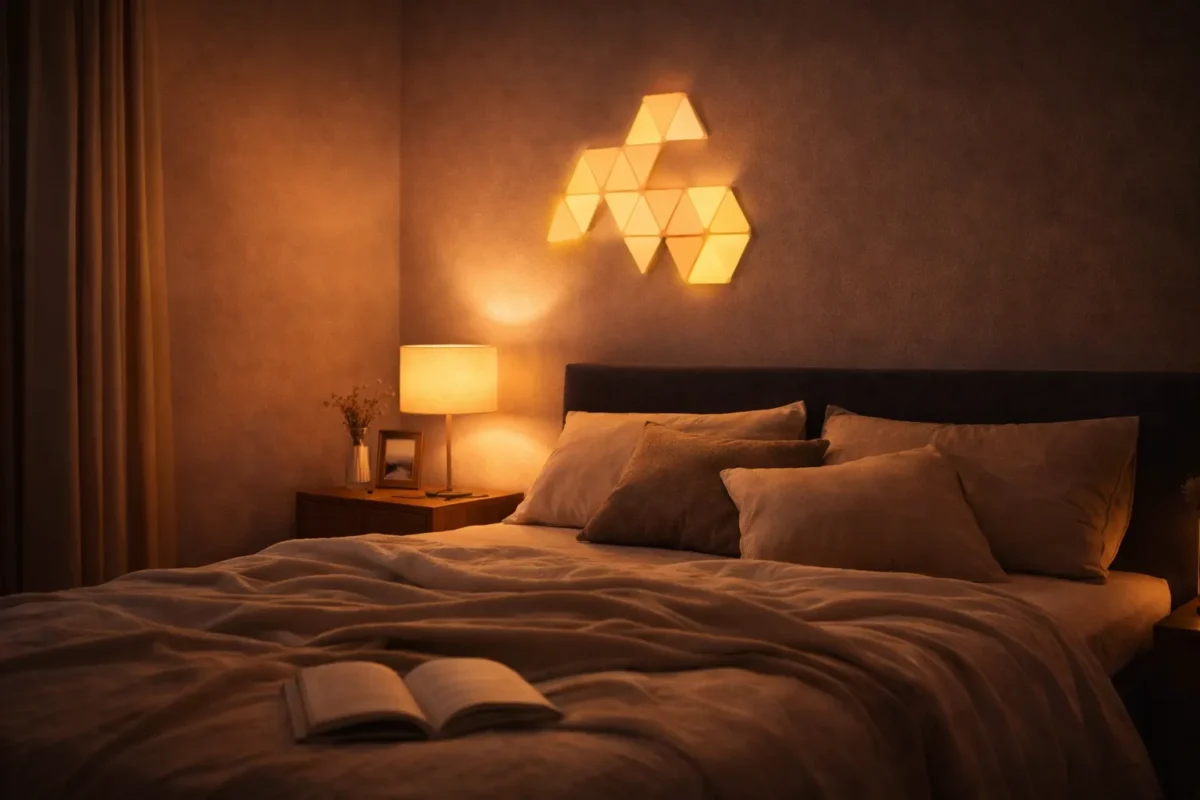
What a high-converting cozy lighting setup usually includes
Most effective cozy lighting setups share a simple structure. They use a low or mid-height light source instead of relying only on ceiling light. They favor warm or warm-leaning tones for evening use. They create at least one visual anchor, such as a bedside table, shelf, headboard wall, or reading chair. They leave some areas dimmer so the room keeps depth. And they support a real use case, not just a photo opportunity.
This is why cozy lighting feels intentional when it is done well. It is not random decoration. It is organized emotional comfort.
What people think cozy lighting is vs what it really is
| What the shopper thinks | What actually creates the cozy feeling |
|---|---|
| A warm bulb | Warm tone plus lower intensity and better placement |
| More lamps | Layered light with a clear purpose |
| Orange light everywhere | Selective glow and visual depth |
| Expensive décor | Emotional comfort created through atmosphere |
| Smart RGB scenes | Scenes that match evening behavior and rest |
Conclusion
The psychology behind cozy lighting is not mysterious. People respond to warm, layered, lower-pressure light because it reduces visual stress, supports emotional transition, and makes a room feel more sheltered and personal. That response is partly biological, partly behavioral, and partly emotional.
For retail brands, this matters because shoppers are not just buying brightness. They are buying relief, softness, calm, and a better version of home. The brands that understand this will create better content, build stronger trust, and sell more effectively.